

Protective Film
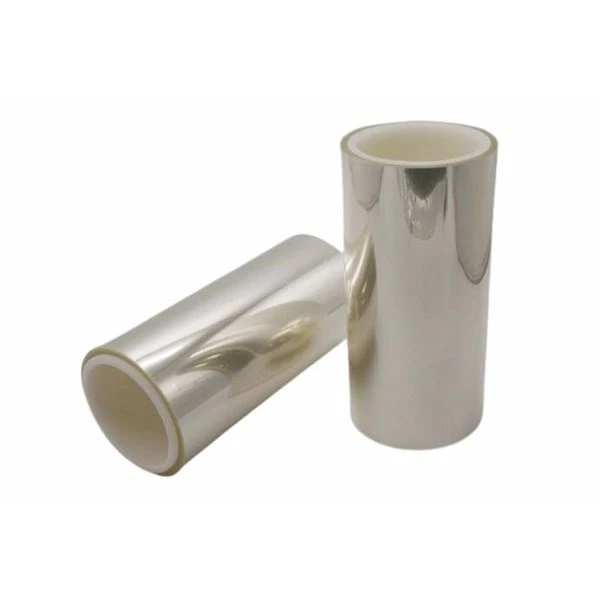
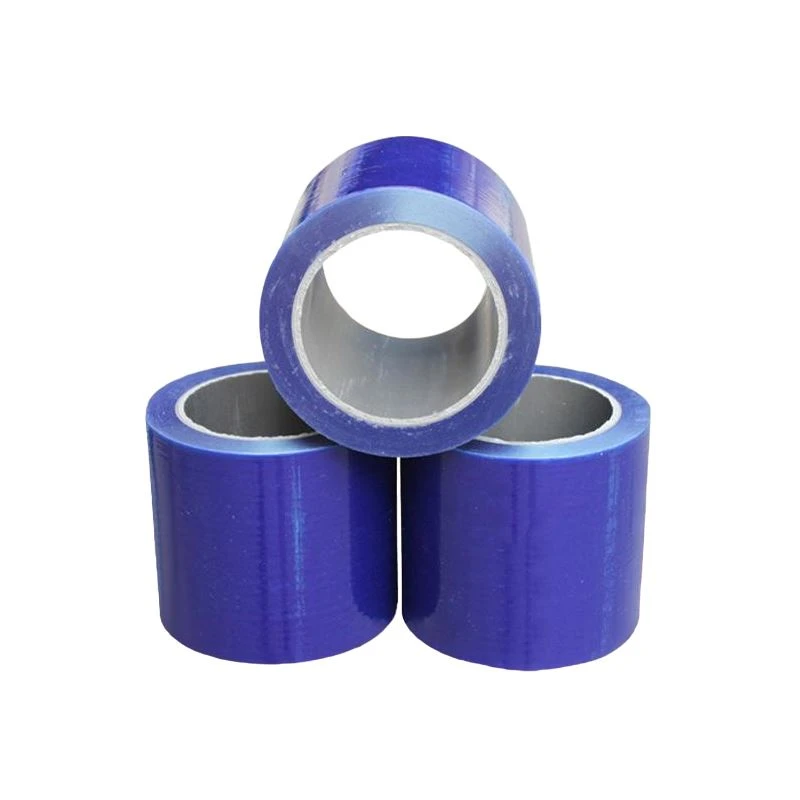
Protective films are thin film materials used to shield the surfaces of materials from damage, corrosion, or abrasion. They are widely used in various fields such as automotive, electronics, industry, and consumer goods. The choice of protective film depends on the application environment and the characteristics of the material that needs protection. Our company website can provide more information on specific protective film products, including technical specifications, application cases, and ordering methods.


Advantages of Protective Film
Surface Protection
The primary benefit of protective films is the protection of surfaces from scratches, abrasions, impact, dirt, dust, moisture, and other potential damage.
Ease Of Removal
Protective films are designed to be easily removable without leaving residue or damage. This makes them easy to remove when the protection is no longer needed.
Preservation Of Aesthetics
Protective films help maintain the original appearance, finish, and quality of surfaces, preventing the need for touch-ups or costly repairs. This is particularly important for products with high aesthetic value, such as vehicles, electronics, and architectural finishes.
Cost Savings
By preventing damage to surfaces, protective films can significantly reduce the need for repairs, replacements, and rework, saving time and money during manufacturing processes.
Production Market
600+ customers annually. Products are exported to Vietnam, Singapore, India, the United States, Germany and so on.
R&D Capability
7 invention patents, 3 high-tech product certification certificates, 8 utility model patents, national high-tech enterprise, Suzhou Engineering Research Center.
Production Equipment
18 production coating lines / 9 rewinding machines
2 sample coating lines / 18 slitting machines / 11 cutting machines
Our Factory
Founded in 2008 TAILUN is one of the largest coating manufacturers in China, and is committed to the technical research and development and production of adhesive materials in consumer electronics, automotive, electrical and other industries Main products include protective film, adhesive tape, release film and PI products, etc.
Types of Protective Films
Surface protection films
High quality surface protection films can be easily applied and removed while providing a smooth finish to the surfaces they are used on. These films are specifically designed to add a layer of protection to delicate surfaces: glass, commercial glass, plastics, stone, brick, granite, marble, etc.
Industries specialising in the manufacture and distribution of packaged products often find themselves in need of this protection. However, cutting these films into the right shape to fit the various surfaces becomes difficult. It is also important to ensure minimal blistering during application, which often requires specialist surface protection film expertise.
Paint protection films
Paint protection films usually have a high impact resistance. Variants such as clear bras or paint protection films (PPF) even have “self-healing” properties, allowing them to return to their natural shape after impact or abrasion.
These types of films are often made from flexible polymers that provide elasticity to the film, and they are often invisible, allowing the object to retain its aesthetic value while adding a degree of protection. This is why common uses include mobile phones, electronics, cars, aircraft and other devices.
Although PPF is not bulletproof, it does offer excellent protection against rock chips and other environmental contaminants. It is also chemically resistant, allowing you to wash or clean equipment without worrying about losing adhesive or being unable to perform maintenance operations.
Protective Film Applications for All Industries
Aerospace
Aerospace engineering is constantly striving to create quieter, lighter and damage-resistant equipment. Here, films are vital to extend the life and improve the quality of these materials.
Automotive
From wheels and doors to fenders and bumpers, cars need complete protection. Protective films are an excellent way to achieve this without damaging the aesthetics of the vehicle.
Electronics
Electronics mobile phones and other hardware — Are vulnerable to physical damage, especially screen damage. Television manufacturing companies, electronic transport companies and other similar businesses have a wide range of application possibilities.
For Industry
In general, industries have a wide range of applications for protective films, often requiring custom sizing to fit a variety of equipment or newly manufactured products. The end product can suffer extensive damage on its way to a distribution centre or warehouse.
Medical
Medical equipment is often expensive and requires a high level of maintenance to prevent corrosion of the metal. Adding a protective coating helps prevent premature wear and tear and keeps these machines running smoothly.
Defence
Protective coatings help to ensure the efficient operation of critical military equipment, weapons and machinery. However, in terms of defence, in addition to protective films, equipment may also require stronger adhesive protection.
Surface Texture Of Substrate
The texture of the surface you're looking to protect is a significant determinant in your choice of film. Different films are designed to adhere optimally to various surfaces, ensuring maximum protection and reducing the risk of damage during removal.
Time And Environmental Conditions
The expected duration of exposure and surrounding environmental conditions also influence your film selection. Some films, like the are specifically designed to withstand extended exposure to sunlight, making them ideal for outdoor applications or products exposed to sunlight.
Storage Conditions
Similarly, the storage conditions your product will face also impact your choice of protective films. Variations in temperature, humidity, or exposure to chemicals can all affect a film's performance.
Conditions Of Film Application
The circumstances under which you apply the film are another crucial consideration. High temperatures or other specific conditions during application might require specialized films that can withstand such environments without compromising their protective properties.
Surface Gloss
The level of gloss on the surface also plays a part in your choice of protective film. Glossy surfaces may require films with specific adhesive properties to ensure firm adhesion without leaving any residue upon removal.
Surface Preparation And The Use Of Solvents
Lastly, how you prepare the surface for the film, including the use of solvents, can influence the type of protective film you choose. Certain solvents might interact negatively with some films, so it's essential to consider this when making your choice.
Not all protective films are made from plastic (paper film, for example), but a large number are. The type of protective plastic film you’re using will come with different characteristics and properties. Here are some of the materials commonly used to make protective plastic films:
Low-density polyethylene (LDPE)
Low-density polyethylene is lightweight, flexible, and affordable. LDPE protective plastic film is commonly used to protect surfaces from scratches, dirt, and minor impacts.
Polypropylene (PP)
Polypropylene film offers good clarity, tear resistance, and moisture resistance. PP film is less elastic than other protective plastic films, but can endure high temperatures without a problem. PP films are commonly used to protect surfaces during manufacturing and transportation.
Polyvinyl chloride (PVC)
Polyvinyl chloride films are super flexible and chemical resistant. They’re commonly used in applications that require resistance to oil or grease and are especially useful for protecting metal surfaces.
Co-extruded, low-density polyethylene (COEX or Co-ex LDPE)
COEX films are created by layering two plastics together in one film. This gives them more protective characteristics than other films.
Polyolefin (PO)
Polyolefin films are commonly used as a shrink or stretch film. They are a great option for protecting glass or painted metal.
How To Choose The Stickiness Of The Protective Film
According to the specific application scenarios and requirements, determine the required viscosity level. Different applications may require different degrees of viscosity. For example, in applications that need to be adhered for a long time, higher viscosity may be more suitable.
Consider the surface characteristics of the protected object. Different surface materials and roughness may have different requirements for viscosity, and need to choose a protective film viscosity that matches the surface of the protected object.
Consider the environmental conditions of the protective film. For example, the environment where high temperature, high humidity or chemicals are exposed may require a high -viscosity protective film with higher temperature resistance, humidity resistance or chemical resistance.
Select appropriate stickiness according to the required protection time length. Long -term application may require more stable and lasting stickiness, and short -term applications can choose relatively low viscosity.
Considering the characteristics of the protective film itself, such as the type, thickness, material quality, etc. Different product characteristics will affect viscosity and choose products that meet the needs.
How To Test The Protective Film Adhesion
Dipping test: Use appropriate divestitudes to peel the test equipment, attach the PET protective film to the surface of the test board or object, and then peel off at a certain speed and angle. Measuring the required divestickness or divest energy to evaluate the intensity of adhesion.
Adhesive force test: Use the adhesive tester or tensile tester to bond the PET protective film with the test board or object surface at a certain speed, and then stretch at a certain speed. The size of the adhesive force is measured, and the common unit is n/cm or n/mm.
Micro -force test: Use microcontroller or viscosity meter, contact the PET protective film with the surface of the test board or object, and then measure the required force to evaluate the strength of the adhesive force.
Dipping test: If the PET protective film is coated with a adhesive, you can use the stripping tester or related equipment to contact the adhesive layer of the PET protective film with the surface of the test board or object. Power or stripping energy.
It should be noted that the test method of adhesion can be adjusted according to the specific application and requirements, and you can refer to the relevant industry standards and test methods. It is recommended to read the instrument's operation manual and follow the operating procedures before actual testing to ensure the accuracy and repetitiveness of the test.
How to Solve the Bubble in the Production of Protective Film
In the production process of protective film products, bubble problems sometimes occur, which is very troublesome. In order to solve this problem, many methods have been conceived, such as selecting a suitable ink and increasing the coating amount, enhancing the wettability of the glue on the film, improving the defects of local sizing; Improving the temperature and pressure of the composite roll; And reducing the compound speed. Increase the infiltration time and gluing time, etc.
When the protective film is made, the glue and the film can be preheated and the temperature of the composite press roll can be raised; At the same time, the coating roll is cleaned to enhance the coating amount and the management of the coating roll. For the coating roller, after the new roller is used up to 5 million meters, it is subjected to aluminum plating treatment, and after three times of chrome plating treatment, re-engraving is performed to prevent the appearance defect and the peeling strength from being lowered due to insufficient coating roller.
In order to adjust the viscosity of the protective film, it is necessary to pay attention to the regular replacement of the coating roller, and the coating amount can be satisfied by the cooperation of the solid content of the glue and the coating roller within the viscosity range required by the process. And adjust the drying conditions, such as wind speed, temperature and so on.
The coating amount for producing the protective film and the temperature and pressure of the composite press roll are also increased, the rubber hardness of the press roll is increased, and the rubber hardness of the press roll is increased to between 80 and 85 °C. Adjust the angle of the "wrapping angle" of the film before the pressure roller into the film, and enter the composite roller as far as possible in the tangential direction.
Moisture-proof measures are taken during the molding process of the protective film, such as keeping the environment dry, and the curing agent sealing the packaging material, etc., can also have a certain effect on improving the bubble problem, thereby greatly improving the quality and use effect of the protective film.
How to Maintain Protective Film
Regular Cleaning: Keeping your protective film clean is essential for its longevity and appearance. Start by rinsing your car to remove loose dirt and debris. Then use a pH-neutral automotive cleaner and microfiber towel to gently wash the protective film. Avoid abrasive brushes or harsh chemicals as they can damage the film. Rinse thoroughly and dry the surface with a clean, soft microfiber towel.
Waxing and Sealing: Applying a wax or sealant to your protective film is an excellent way to enhance its appearance and protection. Choose a product specifically designed for protective film and follow the manufacturer’s recommendations. These products will provide an additional layer of UV protection and help repel water and contaminants.
Stay Away From Abrasive Materials: When drying your wiping off dust, use only soft microfiber towels. Avoid rough materials or abrasive scrubbers that can scratch the film. Even though protective film is designed to resist minor scratches, it is best to prevent them in the first place.
Handle Contaminants Promptly: Bird droppings, tree sap, and bug splatter can be damaging to your protective film if left unattended. Remove them as soon as possible using a gentle automotive detailing spray and a soft cloth. Do not scrub aggressively, as it may damage the film.
Inspect Regularly: Periodically inspect your protective film for any signs of wear or damage. Look for edges lifting, bubbles, or areas where the film may have been compromised. Promptly address any issues to prevent further damage.
Professional Maintenance: While you can handle basic cleaning and maintenance, it is a good idea to have your protective film professionally inspected and serviced annually. Professionals can assess the film’s condition, make any necessary repairs, and ensure it continues to provide optimal protection.
Avoid DIY Repairs: If you notice any damage to your protective film, it is best to leave repairs to the professionals. Attempting to fix it yourself may worsen the problem and compromise the integrity of the film.
FAQ
We're well-known as one of the leading protective film manufacturers and suppliers in China. We warmly welcome you to buy buy high quality protective film for sale here and get free sample from our factory.
protective film for mri machines, protective film for documents, protective film for ovens